
Winter Dog Walking Tips: Keeping Walks Warm, Safe and Fun
Winter walks are some of the best of the year, with crisp air, quiet paths and a dog that comes home happily tired. They also bring cold, dark, wet and sometimes icy conditions that need a little more thought, so these tips cover how to keep winter walks warm, safe and enjoyable for both of you.
Dress your dog for the cold when they need it
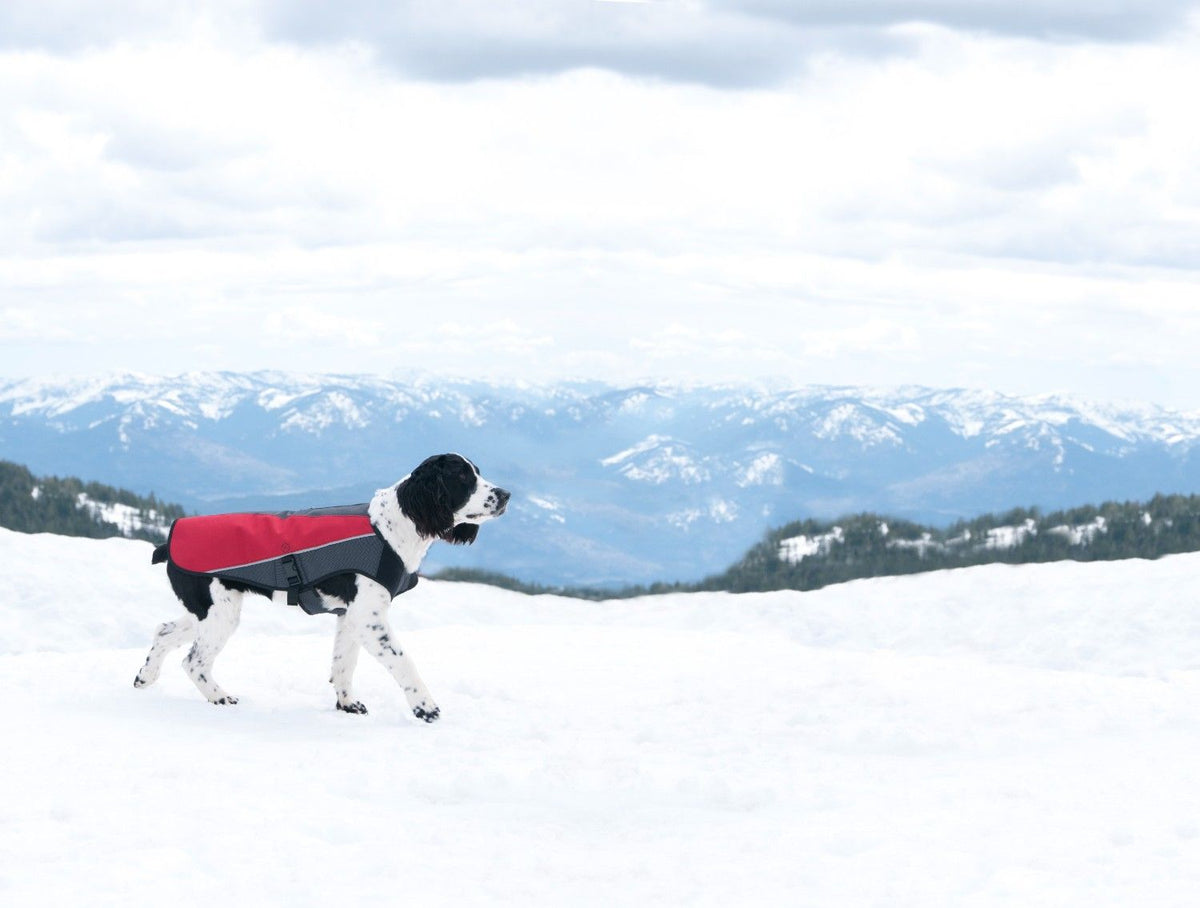
Not every dog needs a coat, but short-haired breeds, small dogs, puppies and senior dogs feel the cold quickly and are far more comfortable with a warm layer on a cold walk. Look for genuine insulation, coverage across the chest and belly, and water resistance so the warmth keeps working in the wet. The Thermax Vest is built for exactly this, and if you are not sure whether your dog needs one at all, our guide on whether dogs need a coat in winter walks through which dogs feel it most. You can compare styles across the dog coats range.
Make sure you can both be seen
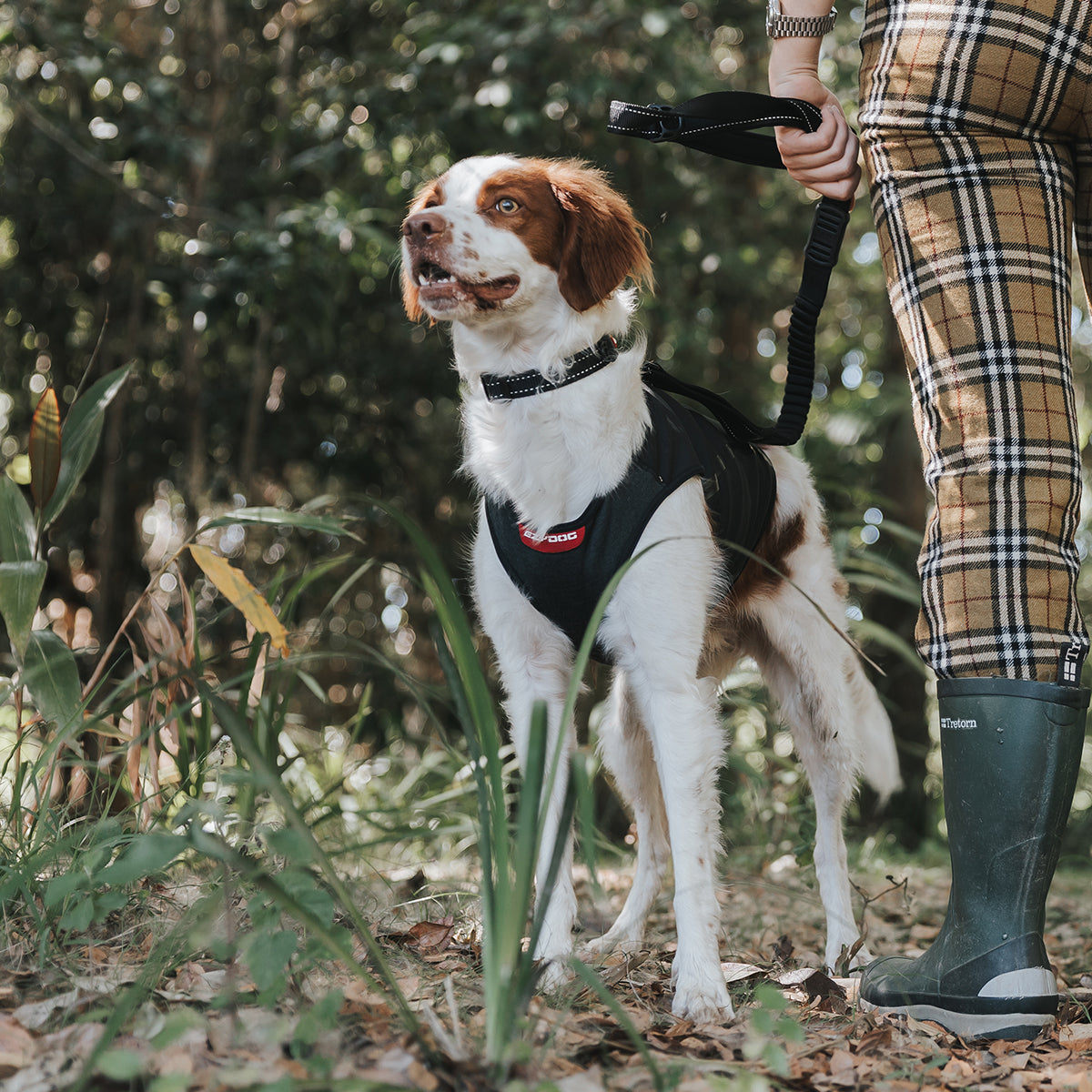
In winter, most walks happen in low light, so visibility is one of the biggest safety wins available. A reflective harness and leash help headlights pick your dog out from a distance, and a clip-on light helps on unlit paths. A padded, reflective option like the X-Link Harness paired with the Zero Shock Leash keeps your dog both controlled and visible. For the full rundown, including why reflective gear beats a pale coat after dark, see our guide on keeping your dog visible on dark winter walks.
Adjust the length to the temperature
Cold, wet and windy conditions are harder on a dog than the thermometer alone suggests, since wind and rain strip warmth away fast. On very cold days, several shorter walks are often better than one long one, especially for cold-sensitive dogs. Watch your dog for signs they have had enough, such as shivering, slowing down, lifting their paws or trying to head home, and cut the walk short when you see them. There is no prize for distance in a cold snap.
Look after their paws
Winter pavements bring grit, rock salt and ice, none of which are kind to paws. Salt and de-icer can irritate the skin and are not good for your dog to lick off, and ice can ball up between the pads on longer walks. Wipe your dog's paws with a damp cloth when you get home to remove any salt and grit, and check between the pads for packed ice or soreness. On the walk itself, try to steer around heavily salted or gritted stretches where you can.
Keep them dry and warm up afterwards
A wet dog loses heat fast, so drying them off after a cold, damp walk matters as much as the walk itself. Towel your dog down when you get in, paying attention to the chest, belly and paws, and if their coat got soaked, take it off to dry rather than leaving a cold, wet layer on. Then give them somewhere warm and supportive to recover, which matters most for older dogs and those with stiff joints. A warm, cushioned spot such as an orthopaedic bed from the dog beds range gives them a cosy place to warm back up.
Match the walk to your dog
The right winter routine depends on the dog. Puppies have not developed a full coat or mature temperature control, so keep their cold-weather walks shorter and consider a layer. Senior dogs and those with joint stiffness feel the cold more and take longer to warm up, so go gently and keep them warm before and after. Thick double-coated breeds, on the other hand, often relish the cold and need little more than sensible timing and good visibility. Watch your own dog rather than following a single rule.
Stay safe around roads, ice and water
Winter adds a few hazards worth respecting. Keep your dog on a leash and close to you near roads in the dark, since both of you see less well. Steer well clear of frozen ponds, lakes and rivers, as ice that holds a bird will not hold a dog, and a dog that breaks through is in serious danger. And take corners and crossings a little more carefully on frosty mornings, when pavements can be slippery for both of you.
Keep the routine going on the worst days
On the darkest, wettest days it is tempting to skip the walk, but most dogs still need the exercise and the mental stimulation. When the weather makes a long walk unappealing, a shorter walk in the right gear, broken up with some sniffing and a bit of training, still does the job. On the days you genuinely cannot get out for long, a game indoors or a few minutes of training with a treat pouch helps burn energy and keeps your dog settled.
The bottom line
Winter walks come down to a few simple things: keep your dog warm if they feel the cold, make sure you can both be seen, adjust the length to the conditions, look after their paws, and warm them up afterwards. Get those right and the cold months become some of the best walking of the year. When you are ready to kit out for the season, the winter essentials range brings together coats, reflective walking gear, cosy beds and warm travel gear for the cold months ahead.


Read more
Leave a comment
This site is protected by hCaptcha and the hCaptcha Privacy Policy and Terms of Service apply.