
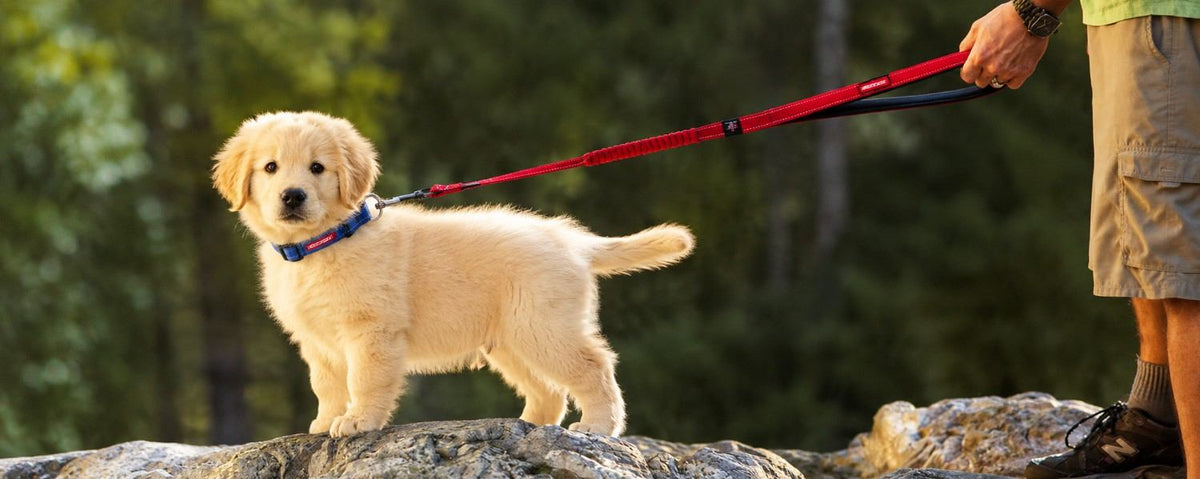
Puppy's First Walk: When to Start and How to Prepare
One of the first questions new owners ask is a simple one: when can we finally go for a walk? It is an exciting milestone, and getting it right sets your puppy up for a lifetime of happy walks, so here is when it is safe to start, how to prepare, and how to make those first outings calm and positive.
When can a puppy go for their first walk?
Walking your puppy in public usually waits until they are fully vaccinated. Until then, busy footpaths, parks and other places lots of dogs visit can carry a risk of illness for a puppy whose immune system is still developing. The exact timing depends on your puppy and their vaccination schedule, so your vet is the right person to confirm when they are protected and ready. It is worth asking at your next appointment rather than guessing, since a week or two either way is a small price for peace of mind. The good news is that you do not have to wait to start introducing your puppy to the world.
What you can do before public walks
Early experiences matter, and you can give your puppy a great start without heading to the park straight away. A secure garden or yard is a safe space to sniff, wander and get used to being outside, and it costs nothing to make that part of the daily routine. Many owners also carry their puppy out and about so they can see, hear and smell the world, including traffic, people and other dogs at a safe distance, without being on the ground in higher-risk areas. Check with your vet on what is suitable. Inviting a calm, fully vaccinated adult dog you trust to visit is another gentle way to build social confidence under supervision. These small experiences help your puppy grow into a confident adult, and they make that first proper walk far less overwhelming.
Get the gear introduced at home first
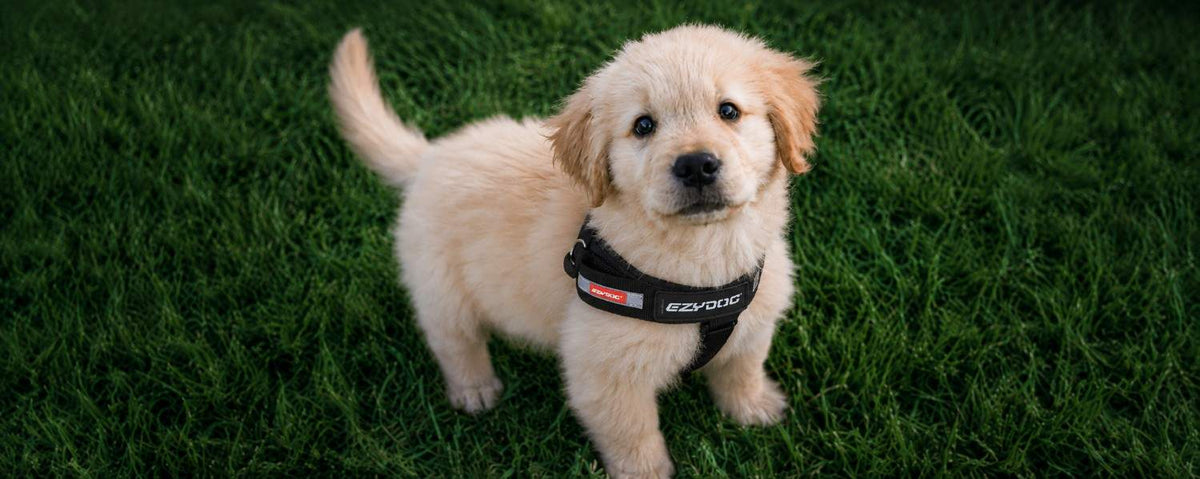
The single step most people skip is getting a puppy comfortable in their gear before the first walk, and it makes a real difference. Wearing a harness for the first time can feel strange, so introduce it gently indoors. Let your puppy wear it in short sessions around the house, paired with a treat or a little play, so they link it to good things, and build up gradually until it feels completely normal. By the time you head out, the harness is just part of the routine rather than a new thing to worry about on an already big day.
The right gear helps here too. A well-fitted, adjustable harness is more comfortable and easier for a puppy to accept than something that rubs or slips, and it gives you gentle control on those first wobbly outings. If you are still deciding what to get, our guide on how to choose the right gear for your puppy walks through what to look for, and you can compare styles across the dog harnesses range. The FORMFIT Mesh Harness is a light, easy first harness for a small puppy, and it is worth checking the fit against the size guide before you start.
How to prepare for the first walk
A little preparation makes the first walk smoother for both of you. Keep the first outing short and close to home, because your puppy does not need to cover any distance, and a few minutes near your front door is a perfect first walk. Choose a quiet time and place, since a calm street early in the morning is far easier for a nervous puppy than a busy park on a weekend. Bring some treats to reward your puppy for walking with you, which builds a positive association from the very first step. A treat pouch such as the SnakPak Training Treat Bag keeps rewards to hand so you are not fumbling in a pocket while managing an excited pup.
What to expect on the first walk
Do not be surprised if the first walk does not go to plan. Many puppies freeze, sit down, or seem more interested in sniffing one spot than moving forward, and this is completely normal. The world is a big, new place, and your puppy is taking it all in. Let them explore at their own pace, stay relaxed, and use treats and a gentle voice to encourage them along. A happy five-minute wander beats a stressful longer one every time, and there is no prize for distance at this stage.
Common first-walk mistakes to avoid
A few simple missteps catch out plenty of new owners. Walking too far too soon is the most common, when there is really no rush to build up distance. Skipping the at-home gear introduction is another, because a harness that feels strange on the day can turn the first walk into a struggle. Choosing a busy, overwhelming spot makes everything harder than it needs to be, so start somewhere quiet and work up to busier places over time. And do not forget identification: make sure your puppy is wearing a collar with an ID tag before heading out, which you can find in the dog collars collection.
Putting it all together
Wait until your vet confirms your puppy is ready for public walks, get them comfortable in their gear at home, and keep those first outings short, calm and positive. Do that, and you are setting the foundation for many happy walks to come. If you are still gathering the basics, our puppy essentials checklist sets out everything a new puppy needs, and the puppy accessories collection brings together adjustable gear designed to grow with your dog.


Read more
Leave a comment
This site is protected by hCaptcha and the hCaptcha Privacy Policy and Terms of Service apply.