
The Puppy Essentials Checklist: 8 Things Every New Puppy Needs
Bringing a puppy home is one of the best days there is, and also the moment the questions start. Harness or collar? Which lead? Do you really need half the things the internet insists on? This checklist cuts through the noise and covers the eight items that genuinely earn their place in those first weeks, so you can spend less time second-guessing and more time enjoying your new arrival.
Start with the basics, then build
You do not need to buy everything before your puppy walks through the door. The smartest approach is to get the walking basics right first, meaning a harness, a lead and a collar, then add the training and travel pieces as your routine takes shape. One rule sits above all the others at this age: fit comes before anything else. Puppies grow at a surprising rate, and gear that fits beautifully this week can feel snug within a month, so choose adjustable pieces and get into the habit of checking them often.
A well-fitted harness
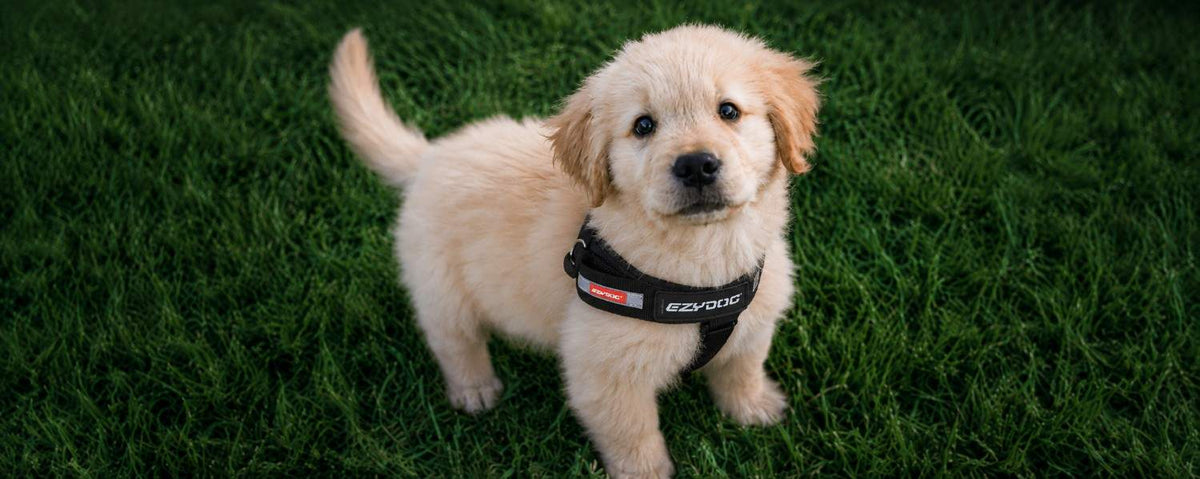
For a young puppy, a harness is almost always the better choice for walks and early lead training. It spreads pressure across the chest instead of loading it onto the throat, which is kinder to a pup who is still working out that pulling gets them nowhere. A collar still has a job to do, but it is not the tool for steering a bouncy, easily distracted puppy through their first outings.
When you compare harnesses, look for straps that adjust in more than one place, a design your puppy can step into or that fastens at the side rather than being forced over the head, and soft, smooth edges that will not rub. Reflective detailing is a small touch that pays off on dark winter mornings. The FORMFIT Mesh Harness suits very small and young puppies with its light, breathable build, while the Chest Plate Harness has a moulded chest panel that shapes to your dog over time and steps on easily. Whichever you lean towards, compare the full range in the dog harnesses collection, and use the size guide to match the fit to your puppy rather than guessing by breed.
A lightweight, comfortable lead
A puppy lead should be easy for you to hold and light enough not to drag on a small dog. A heavy lead built for a fully grown adult feels clumsy in the hand and unfair on a pup who weighs only a few kilos. Aim for a secure clip, a handle that stays comfortable over a longer walk, and a little give in the material. The Zero Shock Leash is a popular first lead because its shock-absorbing section softens the sudden lunges every puppy makes when a leaf, a pigeon or another dog proves too exciting to resist. If you would rather have adjustable length for both training and everyday walks, the Vario 4 Multi-Function Leash gives you several configurations from a single lead. Browse the dog leashes range to find the length and style that suits you both.
A collar with an ID tag
At this age a collar is mostly about identification. It is where your puppy's ID tag lives, and keeping your contact details on your dog is simply sensible from day one. Because a puppy's neck thickens quickly, choose an adjustable collar and check it often with the two-finger rule: you should be able to slide two fingers comfortably between the collar and the neck. Many owners walk on a harness for control and keep a lightweight collar on purely for the tag, letting each item do the job it does best. You can see the simple everyday options, including the Neo Classic, in the dog collars collection.
A treat pouch
Early training runs on rewards, and fishing treats out of a pocket while managing a lead and an excitable puppy is a juggling act nobody needs. A treat pouch keeps rewards to hand and your hands free, so you can mark and reward good behaviour the instant it happens. The SnakPak Training Treat Bag clips to your waist and opens with one hand, which makes those first recall and loose-lead lessons far smoother. It sits alongside the rest of the dog training gear if you want to build out a proper training kit over time.
A training clicker
If you plan to use reward-based training, a clicker is a small, inexpensive tool that makes a real difference. The click marks the exact moment your puppy does something right, which is clearer to them than a spoken word and helps the lesson land faster. Pair the Command Training Clicker with your treat pouch and you have the core of a positive training setup, ready for those first sessions at home.
A portable water bottle
Puppies tire and overheat more easily than adult dogs, so fresh water on the go matters, especially in warmer months or on longer outings. A dedicated dog water bottle lets your puppy drink cleanly without you hunting for a bowl or a tap. The Leaf Dog Water Bottle has a built-in trough that folds away, so a quick drink takes seconds and there is nothing messy to carry home.
A fold-flat travel bowl
For trips that run a little longer, a packable bowl earns its place for both water and food away from home. The Fold-A-Bowl collapses down small enough to slip into a bag or pocket and pops open when you need it, which is handy for café stops, car journeys and longer days out while your puppy gets used to the wider world.
A safe chew toy
Teething puppies chew, and giving them something suitable protects your furniture while giving a restless pup an outlet. A durable chew toy also doubles as a reward and a quiet distraction during training breaks at home. The EzyBones Chew Toy is built to stand up to determined little teeth while staying gentle enough for a young mouth.
One to add as the weather turns
Not every puppy needs a coat, but short-coated breeds and small pups feel the cold quickly, and a chilly, wet walk is no fun for a shivering dog. If you are heading into winter, a warm, water-resistant layer such as the Thermax Vest keeps early walks comfortable, so the cold never becomes a reason to skip them.
How to measure and fit gear on a growing puppy
Getting the fit right is worth the few extra minutes it takes. For a harness, use a soft tape measure to find your puppy's girth, which is the widest part of the chest just behind the front legs, and match that number to the size guide on the product page rather than assuming a size from breed or age, since puppies of the same breed can vary a lot.
Once it is on, a harness should sit snugly without pinching. You should be able to slip two fingers under any strap. If it leaves a mark or your puppy moves stiffly, loosen it, and if it slides around or your puppy can reverse out of it, tighten it. The same two-finger check works for the collar. Then comes the part most people forget: recheck everything every couple of weeks while your puppy is growing fastest, because a fit that was perfect last month can quietly become too tight.
Common first-buy mistakes
A few easy slip-ups catch out plenty of new owners. The first is buying only for today's size, when adjustable gear will serve you far longer than something that fits for a fortnight. The second is relying on a collar alone for a puppy who pulls, when a harness guides a wriggly pup more comfortably and with less strain on the neck. The third is choosing a lead made for a large adult dog, which is heavier and clumsier than a small puppy needs. Sidestep those three and you have made the decisions that matter most.
Putting it all together
You do not need a cupboard full of gear to give your puppy a great start. Begin with a well-fitted harness, a light lead and a collar for the ID tag, add a treat pouch and clicker for training, and keep water, a travel bowl and a chew toy on hand for life beyond the front door. Check the fit as your puppy grows, and you are set for the walks and adventures ahead. When you are ready to gather the basics, the puppy accessories collection brings together adjustable gear made to grow with your dog.


Read more

Leave a comment
This site is protected by hCaptcha and the hCaptcha Privacy Policy and Terms of Service apply.